


Institut für
Architektur und Entwerfen
Gebäudelehre undEntwerfen
|
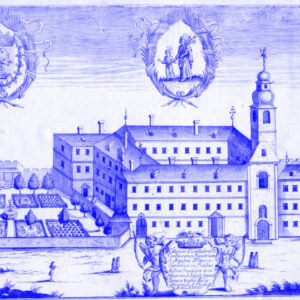
Ausstellungseröffnung Weiterbauen –
Architektur als Prozess Entwerfen (Master) SS 2023
SO 14.04.2024 ● 15:00 CET ● Umgang Festival
Kunstverein Eisenstadt ● Joseph Haydn Gasse 1 |
|
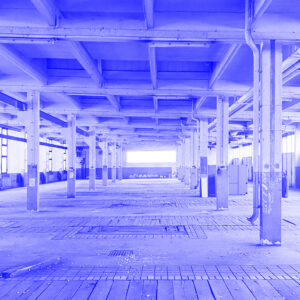
Biofabrique Vienna: Adaptive Reuse Prof. Tina Gregoric
Gordon Selbach Jakob Travnik Integratives Entwerfen (Master/Bachelor) SS 2024
253.L40/L41 ● 15 ECTS ● SS 2024 ● Kick-Off ● Mon 4.3. 14:00-16:00 ● GBL Office ● Site Visit Nordwestbahnhalle ● Fri 1.3. 9:00-11:00 ● Regular meetings ● Fri 14:00-20:00 ● Course will be held in English and German
|
|
Biofabrique Vienna: Material Assemblies Benedetta Pompili
Hannah Segerkrantz Thomas Amann Entwerfen (Master) SS 2024
253.L35 ● 10 ECTS ● Kick-Off ● Mon 4.3. ● 14:00-16:00 ● Regular meetings ● Thu 14:00-20:00 ● 10-day Hands-on Workshop ● 16.-25.5. ● Vertiefung ● Entwerfen ● 253.L36 ● 5 ECTS ● Course will be held in English and German
|
|
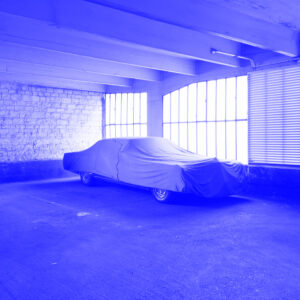
Bioregional Assembly: Material Resonance Salzkammergut Elisabetta Schmidtlein
Marion Kohler Entwerfen (Master) SS 2024
253.L20 ● 10 ECTS ● Kick-Off ● Wed 6.3.2024 ● Weekly meetings ● Wed 09:00-15:00 ● Excursion Salzkammergut ● 6.5-8.5.2024 ● Finals Research ● Thu 4.7.2024 ● 14-day hands-on workshop, Gmunden ● 15.7-30.7.2024
|
|
Inherited Frameworks – Paris Guest. Prof. Umberto Napolitano (LAN)
Entwerfen (Master) SS 2024
253.L24 ● 10 ECTS ● Korrekturen Freitags ● 09:00 - 17:00 ● Projektr. 14 Kick-Off ● Fr. 08.03.24 ● 10.00 - 14.00 ● Sem. AE U1 - 3 Exkursion nach Paris geplant ● vorr. März 2024
|
|
Weiterbauen – Kulturraum Hombroich Leonhard Panzenböck
Entwerfen (Master) SS 2024
253.L19 ● 10 ECTS ● Kick-Off ● DO 7.3.2023 ● 10:00-18:00 ● Wöchentl. Besp. ● DO 09:00-18:00 ● Workshop & Symposium ● Mai 2024 ● Exkurison Hombroich ● MO 18.03. - FR 22.03.2024 ● 325.L14 ● 2 ECTS
|

|
Diplomand:innenseminar - Neues Wohnen im Bestand Katharina Urbanek
Prof. Tina Gregoric Diplomand:innenseminar
Einjähriges Diplomand:innenseminar ● März 2024 - März 2025 ● 3 ECTS
Bewerbung mit kurzem Abstract und Portfolio bis 22.02.2024 an katharina.urbanek@tuwien.ac.at |

|
Open Design Academy - VU Gebäudelehre - Ausstellung Team Gebäudelehre
Ausstellung & Preisverleihung
TVFA-Halle ● Erzherzog-Johann-Platz 1, 1040 Wien ●
Mi 31.01.2024 ● 18:00 |
|
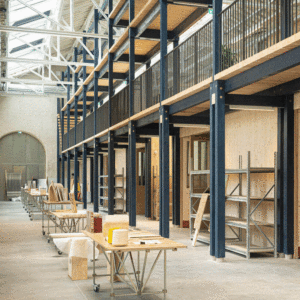
MATERIALS & PROCESSES Daniel Bell, Atelier Luma
Charly Blödel & Estelle Jullian, Materialscapes Guest Lecture & Discussion
Modul Gebäudelehre WS2023/24 ● VO Kritische Architekturpraxis ● Wed, 6.12.2023, 18:00 ● Hörsaal 17, TU Wien, Karlsplatz 13 ● Moderation by Tina Gregoric & Thomas Amann
|

|
Wechseljahre Juliane Greb,
Ghent Guest Lecture
DI 28.11.2023 ● 18:00 CET
TU Wien ● Karlsplatz 13 ● HS 17 Moderation: Eva Mair |
|
Design the design process! einszueins architekten
PPAG architects Guest Lecture
DO 16.11.2023 ● 19:00 CET
TU Wien ● Karlsplatz 13 ● HS 7 Schütte-Lihotzky Moderation: Fabian Wallmüller |
|
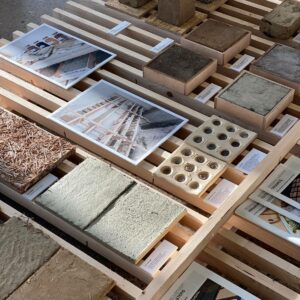
„Bioregionale Strategien der Wiederverwendung“ Team Gebäudelehre
LINA Unisono Exhibition
19.9. – 25.10.2023 ● Mo–Sa, 14-19 Uhr ● WEST / Alte WU ● Augasse 2—6, 1090 Wien ● Foyer
|
|
WEBSITE LAUNCH & TALK ON PUBLICATIONS Institute of
Architectural Design Symposium
11.10.2023 ●18:00 ● TU Wien Hauptgebäude ● Prechtlsaal ● Karlsplatz 13
|
|
Open Design Academy – VU Gebäudelehre Team Gebäudelehre
Grundlagen des Entwerfens 5 - VU Gebäudelehre
WS 2023 ● Konzept & Inhalt ● Prof. Tina Gregoric ●
Thomas Amann ● Gordon Selbach ● 253.G67 ● 8 ECTS |
|
Odd Lots: Vienna / Berlin Prof. Tina Gregoric
Evelyn Temmel Katharina Urbanek Entwerfen (Bachelor/Master) WS 2023/24
Entwerfen Master ● 253.K26 ● 15 ECTS ● Entwerfen Bachelor ● 253.K25 ●15 ECTS ● W2023 Korrekturen Dienstags ● 09.00 - 19.00 ● Projekt-Team: 2 ● Deutsch/English ● Exkursionen Wien und Berlin
|

|
Hardware / Software in architecture The Preservation Issue Artem Kitaev
Entwerfen WS2023/24
Großes Entwerfen ● 253.K27 ● 10 ECTS ● WS2023
Weekly meetings Wednesdays ● 14:00 - 19:00 ● English ● Site excursion (tbc) ● Final presentations ● 31.01.2024 |

|
Architecture after Comfort Jakob Sellaoui
Entwerfen (Master) WS 2023/24
Entwerfen ● 253.K38 ● 10 ECTS ● Regular meetings ● Thu 14:00 - 19:00 ● Midterm Presentation ● Thu 21.12.2023 ● Final Presentation ● Thu 21.12.2023 ● Open-air workshop outside of the city ● 27.11.2023 - 8.12.2023
|
|
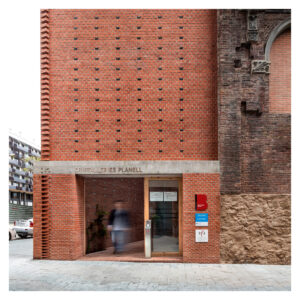
LASTING EXPERIENCES H ARQUITECTES
Josep Ricart Guest Lecture
Mo 26.06.2023 18:00 - 20:00 ● HS 7 Schütte-Lihotzky, Karlsplatz 13, 1040 Wien ● Moderation: Prof. Tina Gregoric
|
|
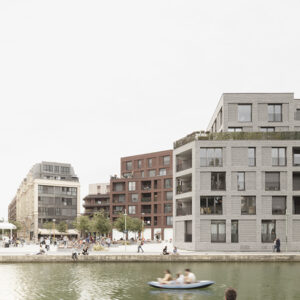
MATERIALITY AS IDENTITY - AVENIER CORNEJO ARCHITECTS Avenier Cornejo Architects
Guest Lecture
Thu 25.05.2023 18:00 - 20:00 ● HS 7 Schütte-Lihotzky, Karlsplatz 13, 1040 Wien ● Moderation: Prof. Tina Gregoric & Prof. Wilfried Kuehn
|
|
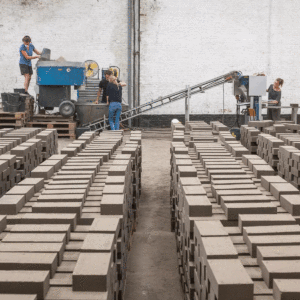
Material Reuse Strategies BC architects & studies & materials,
Rotor Symposium
Thu 11.05.2023 ● 18:00 - 20:30 ● HS 7 Schütte-Lihotzky ● TU Wien, Karlsplatz 13, 1040 Vienna ● Moderation ● Prof. Tina Gregoric, Gordon Selbach, Jakob Travnik
|
|
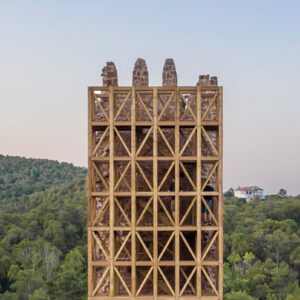
Timeliness Carles Enrich
Guest Lecture
Carles Enrich ● Tue 18.04.2023 ● 18:30 ●
TU Wien ● Karlsplatz 13 ● HS7 ● Moderation: Tina Gregoric |

|
LINA – Learning, Interacting & Networking in Architecture Charly Blödel
Estelle Jullian Lecture
Response by Bernadette Krejs & Max Utech (LINA fellows, TU Wien) Thu 16.03.2023 ● 18.00 ● TU Wien ● Karlsplatz 13 ● HS 7 Moderation ● Prof. Tina Gregoric & Thomas Amann
|
|
Odd Lots: Vienna / Barcelona Prof. Tina Gregoric
Evelyn Temmel Katharina Urbanek Entwerfen (Bachelor/Master) SS 2023
Design studio Master ● 253.J71 ● 15 ECTS ● Bachelor ● 253.J70 ● 15 ECTS ● SS23 weekly meetings on Tue ● 09:00-14:00 ● project team: 2 ● course in German/English ● Kick-Off ● 02.03.23 ● 09.00 - 16.00 ● excursions Vienna and Barcelona
|

|
Culture in Residency: Adaptive Reuse Prof. Tina Gregoric
Gordon Selbach Jakob Travnik Entwerfen (Bachelor/Master) SS 2023
Integ. Entwerfen ● 253.J73/J74 ● 15 ECTS ● SS 2023
Kick-Off ● Thu 2.3.23 ● 15:00-17:00 ● Site Visit ● 3.3-4.3.23 ● Reg. meetings ● Thu 09:00-14:00 ● Excursion to Atelier LUMA (Arles, FR) ● 27.-29.3.23 ● Mid-term ● 31.5.23 ● Final Jury ● 29.6.23 |

|
Culture in Residency: Material Library Charly Blödel
Estelle Jullian Thomas Amann Entwerfen (Master) SS 2023
Entwerfen (Master) ● 253.J68 ● 10 ECTS ● SS 2023 ● Kick-Off ● Thu 2.3.23 15:00-17:00 ● Site Visit ● 3.3-4.3.23 ● Regular meetings ● Thu 15:00-19:00 ● Excursion to Atelier LUMA (Arles, FR) ● 27.-29.3.23 ● Workshop ● 22.-31.5.23 ● Final Jury ● 31.5.23
|

|
Culture in Residency: Material Resonance Elisabetta Schmidtlein
Maximilian Weidacher Entwerfen (Master) SS 2023
Entwerfen (Master) ● 253.J69 ● 5 ECTS ● SS 2023 Kick-Off ● Thu 2.3.2023 ● 15:00-17:00 ● HS17 ● Visit Sekirn ● 31.5.-1.6.2023 Preparatory Meeting ● Fri 16.6.2023 ● 09:00-16:00 ● 10-day hands-on workshop, Sekirn ● September 2023 first two weeks (specific dates tba on TISS)
|

|
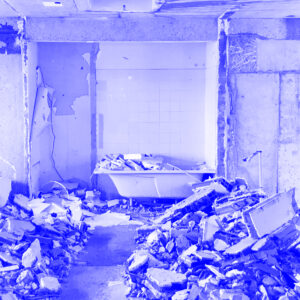
Water Trails Barcelona: Carles Enrich
Elisabetta Schmidtlein Entwerfen (Master) SS 2023
Entwerfen (Master) ● 253.J78 ● 10 ECTS ● SS 2023 ● Kick-Off ● Tue 7.3.2023 ● 10:00-15:00 ● HS15 ●
Regular meetings ● Tue 10:00-15:00 ● PR GBL ● Mid Term ● Tue 9.5.2023 ● Excursion to Barcelona ● 253.C18 ● 2 ECTS 20.3.-24.3.2023 ● Final Jury ● Tue 27.6.2023 |
|
Old is the new Eco Re-used Density Christelle Avenier
Miguel Cornejo Katharina Hohenwarter Entwerfen (Master) SS 2023
Großes Entwerfen ● 253.J85 ● 10 ● ECTS SS2023 ● Weekly meetings Fridays ● 14:00- 19:00 ● SR 2/253 ● Excursion to Paris ● 27. - 31.03.23 ● english ● Kick-off ● 03.03.23 ● Final Presentation ● 30.06.23
|
|
Hardware / Software in architecture Artem Kiteav
Entwerfen (Master) SS 2023
Großes Entwerfen ● 253.J72 ● 10 ECTS ● SS 2023 applications with portfolio via TISS ● Weekly meetings Thursdays ● 14:00 - 19:00 ● present format
English ● Intro meeting Thursday, 02.03.2023 ● 14:00 ● Site excursion (tbc) ● Professor Tina Gregorič will join Mid Term and Final Presentation ● 10.05.2023 ● 28.06.2023 |
|
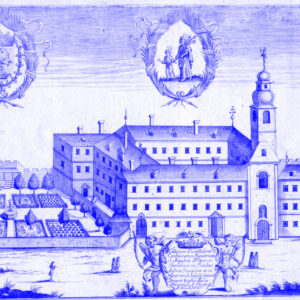
Weiterbauen – Ehemaliges Augustinerkloster Leonhard Panzenböck
Entwerfen (Master) SS 2023
Entwerfen (Master) ● 253.J80 ● 10 ECTS ● SS2023 ● Kick-Off DO 2.3.2023 ● Besprechungen Dienstags ● 10:00-17:00 ● Gekoppelt mit Exkursion 253.C18 ● DO 16.03. - FR 17.03.2023
|
|
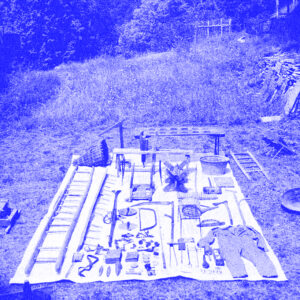
Diplomand:innenseminar - Entwerfen im Bestand Eva Mair
Prof. Tina Gregoric Diplomand:innenseminar
März 2023 - März 2024 ● Kick Off: Dienstag 07.03.2023 ● Bewerbung mit kurzem Abstract und Portfolio bis 17.02.2023 an eva.mair@tuwien.ac.at
|
|
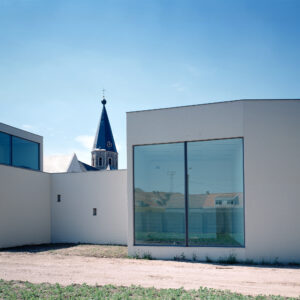
Künstlermuseen: monographic architecture ... Maarten Liefooghe
Guest Lecture
Maarten Liefooghe ● Ghent University ● Tue 29.11.2022 ● 18:00 ● HS 17 ● Karlsplatz 13 ● Moderation ● Eva Mair
|
|
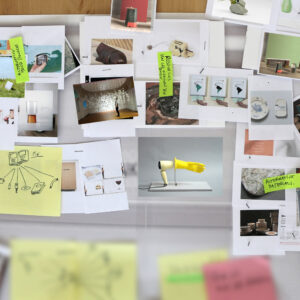
an exhibition that will (never) happen Katharina Mischer &
Thomas Traxler Guest Lecture Series
WED 09.11.2022 ● 18:00 CET ● HS 6
WED 16.11.2022 ● 18:00 CET ● HS 7 Introduction: Prof. Tina Gregoric, Jakob Travnik |
|
Critical Thinking in Critical Times Manon Mollard
Guest Lecture
THU 10.11.2022 ● 19:00 CET
TU Wien ● Karlsplatz 13 ● HS 7 Schütte Lihotzky Moderation: Prof. Tina Gregoric, Jakob Travnik |
|
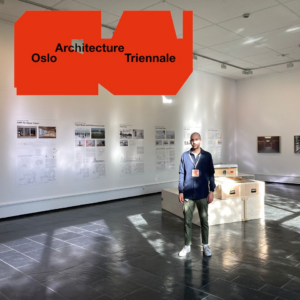
„Tøyen Concrete – Visions for the Old Munch Museum“ Oslo Architecture Triennale
Exhibition
TU Wien ● Institut für Architektur und Entwerfen ● Forschungsbereich Gebäudelehre und Entwerfen ● Konzept und Leitung: Eva Mair, Katherina Putzer
|

|
Design the design process! Dietrich Untertrifaller
Schenker Salvi Weber Guest Lecture
DI 08.11.2022 ● 19:00 CET
TU Wien ● Karlsplatz 13 ● HS 17 Friedrich Hartmann Moderation: Fabian Wallmüller |
|
DOSSIER N°13: ARCHDIPLOMAS THAT GOT THE AWARDS Institut für Architektur und Entwerfen
Presentations & Book Launch
Thu 20.10.2022 ● 18:00 ●
TU Wien ● Karlsplatz 13 ● HS 7 Schütte-Lihotzky |
|
Open Design Academy – VU Gebäudelehre Team Gebäudelehre
Grundlagen des Entwerfens 5 - VU Gebäudelehre
WS 2022 ● Konzept & Inhalt ● Prof. Tina Gregoric ●
Thomas Amann ● Gordon Selbach ● 253.G67 ● 8 ECTS |

|
NEW PRAXES, NEW TOOLS Emerging Slovenian and Austrian architectural practices
Dialogue & Pop-up Exhibition
Thu 06.10.2022 TU Wien ● Karlsplatz 13 ● Festsaal ● Presentations: 18:00 - 21:00 ● Pop-up exhibition: 21:00 - 24:00 ● Moderation: Tina Gregorič, Matevž Čelik
|
|
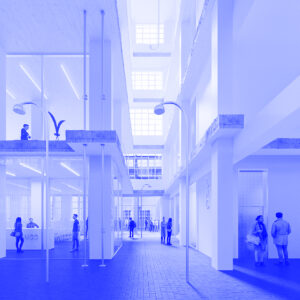
REVIEW '22 Institut für Architektur und Entwerfen
Exhibition
Jahresausstellung des Instituts für Architektur und Entwerfen • 04.10 - 11.10 • Prechtlsaal • Karlsplatz 13
|
|
Hardware / Software in architecture – Umbau Artem Kitaev
Entwerfen WS2022/23
Großes Entwerfen ● 253.J09 ● 10 ECTS ● SS2022 ● applications with portfolio via TISS
Weekly meetings Thursdays ● 10:00 - 14:30 ● English ● Intro meeting Thursday, 06.10.2022 ● 10:00 ● Site excursion (tbc) ● Final presentations ● 02.02.2023 Conference Umbau Lehren ● 11.11.2022 |

|
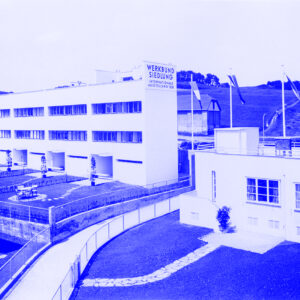
Ex Munch Museum Tøyen – Umbau Eva Mair, Katherina Putzer
Entwerfen WS2022/23
Integrativer Entwurf (Bachelor) ● 253.J10 ● 15 ECTS ● Integratives Entwerfen (Master) ● 253.J11 ● Korrekturen Donnerstag ● 09.00 - 15.00 ● Gruppenarbeit (2er-Teams)
Exkursion nach Oslo 23.10. – 26.10.2022 ● 253.H17 ● 2 ECTS |
|
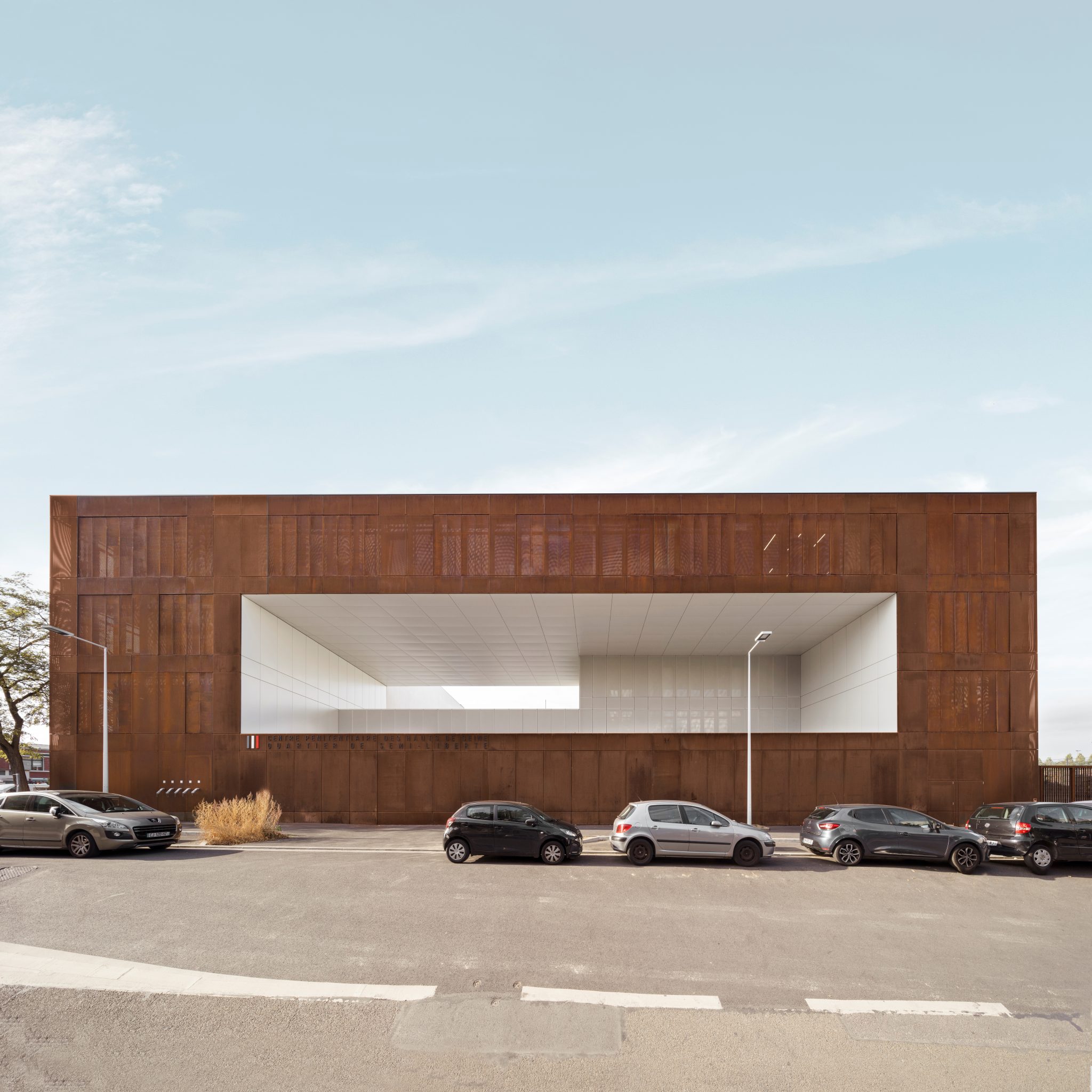
Studio Gebäudelehre - Museum Werkbundsiedlung Ausstellung Team Gebäudelehre
Ausstellung & Preisverleihung
Ausstellung ● TVFA-Halle ● Mo 27.06. ● 14:00-18:00 ● Di 28.06. – Mi 29.06. ● 10:00-18:00 ● Preisverleihung ● Di 28.06. 18:00
|
|
Form of Limit, Limit of Form Umberto Napolitano
Guest Lecture
Umberto Napolitano ● Thu 02.06.2022 ● 19:00 ●
TU Wien ● Karlsplatz 13 ● HS6 - RPL ● Moderation: Tina Gregoric |
|
Technology: a support or a difficulty for the construction? Mario Monotti
Guest Lecture
Mario Monotti ● Thu 07.04.2022 ● 19:00 ●
TU Wien ● Karlsplatz 13 ● HS7 ● Moderation: Artem Kitaev |
|
Roh und zerbrechlich – Zur Architektur in Beton der 1960er und 1970er Jahre Andreas Putz
Guest Lecture – online
Prof. Dr. Andreas Putz ● MI 30.03.2022 ● 14:30 CET
Zoom ID ● 962 2357 1834 ● Moderation: Eva Mair, Katherina Putzer |
|
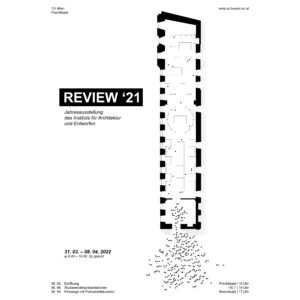
REVIEW'21 Institut für Architektur und Entwerfen
Exhibition
Jahresausstellung des Instituts für Architektur und Entwerfen • 31.03. - 08.04. • Prechtlsaal
|
|
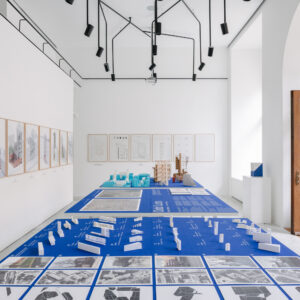
ODD LOTS Vienna / Ljubljana - Exhibition TU Wien
University of Ljubljana Exhibition
17.3. – 14.04.2022 • Mala Galerija Banke Slovenije • Slovenska cesta 35 • Ljublijana
|
|
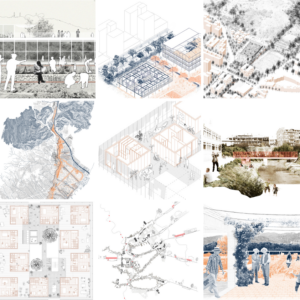
Tears in the Club Leopold Banchini Architects
Guest Lecture – online
Leopold Banchini ● Thu 27.1.2022 ● 18:00 CET ● Zoom ID ● 968 9361 7681 ●
Moderation: Artem Kitaev |
|
Architecture Competitions Europan 12–16 Carles Enrich Studio
Guest Lecture
Carles Enrich ● Thu 20.1.2022 ● 19:00 CET ●
Zoom ID ● 940 2353 3291 ● Moderation: Prof. Tina Gregoric, Prof. Jean-Pierre Chupin, Thomas Amann |
|
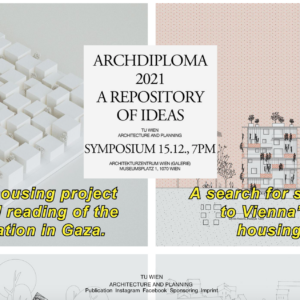
What Ivory Tower? Archdiploma 2021
Symposium
Lectures, discussion & prize-giving ceremony ● Verena von Beckerath, Anne Femmer, Angelika Fitz, Jan Liesegang, Pier Paolo Tamburelli and Paola Viganò ● 15.12.2021 19:00 ● live stream: https://www.youtube.com/watch?v=1UMHDo7fMgQ
|
|
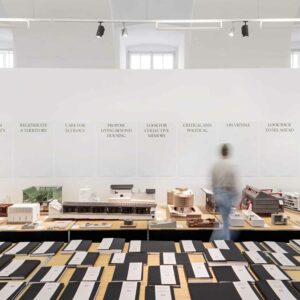
'A Repository of Ideas' Archdiploma 2021
Exhibition
There are DIPLOMAS at the Faculty of Architecture and Planning at TU Wien that a) transform the existing b) focus on materiality c) regenerate a territory d) care for ecology e) propose living beyond housing f) look for collective memory g) are critical and political h) are on Vienna i) look back to see ahead j) advocate for public good k) have fantastic programs l) got awards. ● Architekturzentrum Wien ● Museumsplatz 1, 1070 Wien ● 12.12.2021 – 10.1.2022
|
|
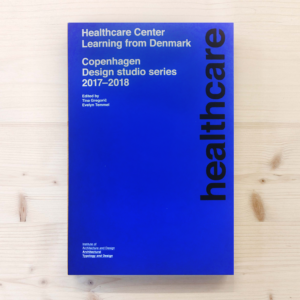
Healthcare Center Learning from Denmark Prof. Tina Gregoric
Evelyn Temmel Publication
Design Studio Series 2017-2020 ● Sonderzahl Verlag ● order via email office@gbl.tuwien.ac.at
|
|
Architecture in the Age of Display Roberto Gigliotti
Guest Lecture
Tue 23.11.2021 ● 18:00 ●
https://tuwien.zoom.us/j/99889132202 ● Moderation: Eva Mair |
|
Atelier Luma - Design and Research as Tool for Transition Jan Boelen
Guest Lecture
Mon 22.11.2021 ● 19:00 CEST ●
Zoom meeting ID 975 0859 7609 ● Moderation: Prof. Tina Gregoric, Jakob Travnik |
|
Design the design process! Franz&Sue
Werner Neuwirth Gastvortrag
Do 11.11.2021 ● 19:00 Uhr ● HS 7 Schütte-Lihotzky ● TU Wien, Karlsplatz 13 EG ● Live Stream: https://bit.ly/gbl2531, Passwort: entwurf21 (live) ● www.youtube.com/gbltuwien (Aufzeichnung) ● Moderation: Prof. Tina Gregoric, Fabian Wallmüller
|

|
Design as an Attitude Alice Rawsthorn
Guest Lecture
Wed 10.11.2021 ● 19:00 CEST ●
Live Stream: youtube.com/gbltuwien ● Moderation: Prof. Tina Gregoric, Jakob Travnik |
|
Exhibition: Culture in Residency, Sekirn am Wörthersee TU Wien
Exhibition
10. September- 17. October 2021 ● Domenig Steinhaus ● Günther Domenig Privatstiftung ● Uferweg 31, 9552 Steindorf ● Ossiacher See, Carinthia, Austria
|
|
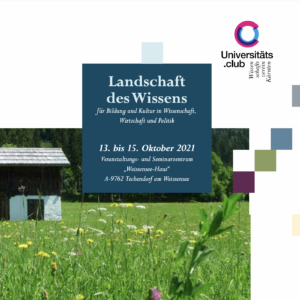
Landschaft des Wissens, Weissensee Symposium 2021 AA nanotourism Visiting School, TU Wien, architektur in progress
Exhibition and joint lecture
13. – 15. October 2021 ● Veranstaltungs- und Seminarzentrum „Weissensee-Haus“ ● A-9762 Techendorf, Weissensee, Carinthia, Austria
|
|
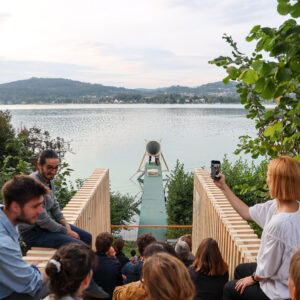
AA nanotourism Visiting School, Sekirn, Wörthersee 2021 AA School of Architecture, London
TU Wien Visiting School
31. August - 15. September 2021 Wiener Sängerknaben Areal ● Helmut-Horten-Straße 11, 9081 ● Sekirn, Carinthia, Austria
|

|
Recent Landscapes Bureau Bas Smets
Lecture – online
Bas Smets ● Wed 5.5.2021 ● 18:00 ● https://tuwien.zoom.us/j/98126507851 ● Moderation: Tina Gregoric, Jakob Travnik
|
|
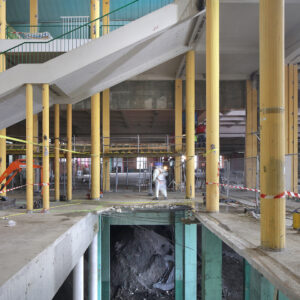
ADD AWAY / TAKE ON architecten de vylder vinck tailieu
Lecture – online
Jan de Vylder and Inge Vinck ● Thu 29.4.2021 ● 19:00 ● https://tuwien.zoom.us/j/94715680982 ● Moderation: Artem Kitaev
|
|
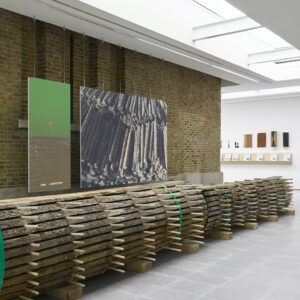
Cambio Formafantasma
Guest Lecture – online
Andrea Trimarchi and Simone Farresin ● Fr 23.4.2021 ● 18:00 ● www.youtube.com/gbl.tuwien ● Moderation: Tina Gregoric and Jakob Travnik
|
|
circular architecture - onsite resources Thomas Romm
Lecture – online
Thomas Romm ● Tue 13.4.2021 ● 19:00 ● https://tuwien.zoom.us/j/97333086866 ● Moderation: Artem Kitaev
|

|
Best of Studio Gebäudelehre 2020 Prof. Tina Gregoric Thomas Amann
Preisverleihung Präsentationen – online
Do 25.3.21 19.00-21:00 ● youtube.com/gbltuwien ● H. Akkurt, G. Arslancan, Selma Bico, A. Böhler, J. Cäsar, M. Genc, B. Gosztom, K. Hendker, X. Kuster, N. Mansour, M. Melkus, K. Niemann, J. Pointer, M. Rachbauer, D. Rivera, J. Schwarz, P. Sebesta, Bianca Sitz, S. Stjepanovic, R. Wagner, C. Weiß
|
|
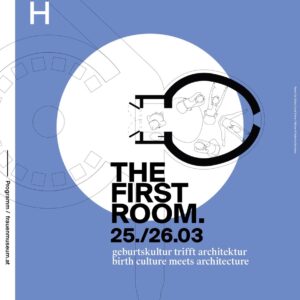
THE FIRST ROOM Prof. Tina Gregoric Evelyn Temmel
Josefine Hermann Tagung
Interdisziplinäre Tagung ● Geburtskultur trifft Architektur ● Presentation Projekte Entwerfen THE FIRST ROOM WS 20/21 ● 26.3. 14:00 ● weitere Informationen: https://www.frauenmuseum.at/the-first-room
|

|
Prefab: Entwerfen Prof. T. Gregoric,
G. Selbach, E. Temmel, K. Urbanek, P. Bauer, A. Dür, J. Hermann, I. Kaltenegger, A. Kitaev Schlusspräsentation ●
Mo 25.1. ● 09:00 – 12:30 ● Prefab: Production ● 13:30 – 18:00 ● Prefab: Healthcare ● Di 26.1. ● 15:00 – 19:00 ● Prefab: Education ● live stream: https://tuwien.zoom.us/j/94468981912 |
|
Competitions as Laboratories for Innovation B. Helal, B. Hossbach,
W. Kühn, L. Pschill & A. Seghatoleslami Symposium – online
Tue 19.1.2021 18.00 ● Moderation
Prof. Jean-Pierre Chupin, Univ.Ass. Thomas Amann live stream: youtube.com/gbltuwien |
|
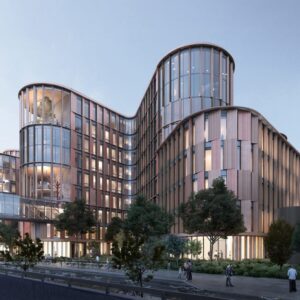
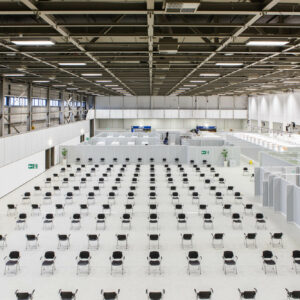
BorneRiget – Children's Hospital Copenhagen Arkitema Architects
Lecture – online
Wed 20.1.2021 17.00 ● Moderation
Evelyn Temmel, Kathrin Schelling live stream: https://tuwien.zoom.us/j/98190897774 |
|
Temporäres Corona– Behandlungszentrum Berlin Heinle, Wischer und Partner
Lecture – online
Wed 13.1.2021 19.00 ● Moderation
Evelyn Temmel, Kathrin Schelling live stream: https://tuwien.zoom.us/j/97691194986 |

|
Competitions as Political Devices for Cities C. Cucuzzella,
T. Moogin, G. Pendl, A. Staufer Symposium – online
Tue 12.1.2021 18.00 ● Moderation
Prof. Jean-Pierre Chupin, Prof. Tina Gregoric live stream: youtube.com/gbltuwien |
|
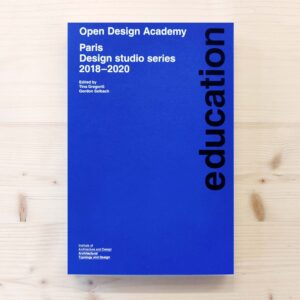
Open Design Academy Prof. Tina Gregoric
Gordon Selbach Publication
Design Studio Series 2018-2020 ● Sonderzahl Verlag ● order via email office@gbl.tuwien.ac.at
|

|
Circular City is smart! DoTank Circular City Wien 2020–2030
Gastvortrag – online
Wed 16.12.2020 19.00 ● Moderation Artem Kitaev ● https://tuwien.zoom.us/j/95038816913
|
|
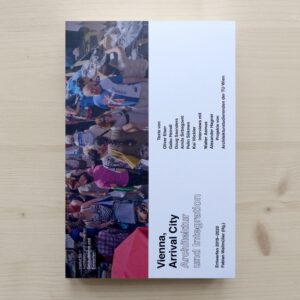
Vienna, Arrival City Architektur und Integration
Publikation
Entwerfen 2018–2020 ● Fabian Wallmüller (Hg.) ● Sonderzahl Verlag ● Buch ab sofort erhältlich im Buchhandel, über https://sonderzahl.at/ und am Forschungsbereich Gebäudelehre und Entwerfen (ISBN 978-3-85449-567-3)
|

|
Open Design Academy Design Studio Series 2018-2020
Symposium
Mi 9.12. 18:00 – 20:00 ● Live stream: www.facebook.com/IFAutriche/
|
|
verschoben: Studio Gebäudelehre 2020 – Preisverleihung Team GBL
Preisverleihung – online
Do 26.11.2020 19.00 ● Moderation
Prof. Tina Gregoric, Thomas Amann, Eva Mair ● youtube.com/gbltuwien |
|
an architecture that was not asked for Fala Atelier
Gastvortrag – online
Wed 25.11.2020 19.00 ● Moderation Artem Kitaev ● https://tuwien.zoom.us/j/96151989314
|
|
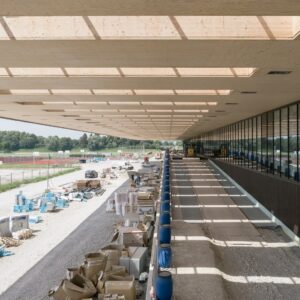
Vorfertigung & Modulbauweise: Holzbau mit Sytem Dietrich Untertrifaller
Gastvortrag – online
Di 17.11.2020 19.00 ● Moderation Gordon Selbach ● https://tuwien.zoom.us/j/93417365490
|
|
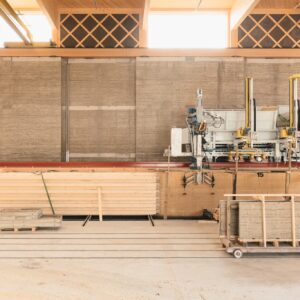
Stampflehmvorfertigung neue Perspektiven Martin Rauch
Gastvortrag – online
Do 12.11.2020 19.00 ●
Moderation Tina Gregoric, Evelyn Temmel ● Live: https://tuwien.zoom.us/j/95768344074 |
|
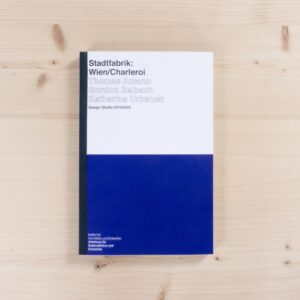
Stadtfabrik: Wien/Charleroi Thomas Amann
Gordon Selbach Katharina Urbanek Publikation
Design Studio 2019/2020 ● Sonderzahl Verlag ● order via email office@gbl.tuwien.ac.at
|
|
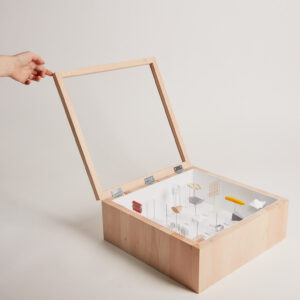
KOSMOS / CHAOS KOSMOS Architects
Gastvortrag
Mi 11.11.2020 19.00 ● Moderation Eva Mair
Live: https://tuwien.zoom.us/j/95669502521 |
|
abgesagt - Stadtfabrik: Wien/Charleroi Thomas Amann
Gordon Selbach Katharina Urbanek Do 12.11.2020 ● 16.00-19.00 ● Prechtlsaal
Karlsplatz 13 ● TU Wien |
|
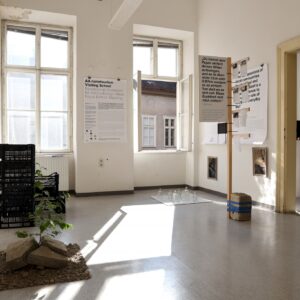
Nanotourism Strategies for the VIENNA DESIGN WEEK 2020 AA nanotourism Visiting School and TU Vienna
Sommerentwerfen 2020
Exhibition ● 26.9 – 4.10 ● Vienna Design Week Festivalzentrale ● daily tours of projects 18.00
Talk ● 2.10 ● 19.30 ● Amtshaus Meidling and Online stream: www.viennadesignweek.at |
|
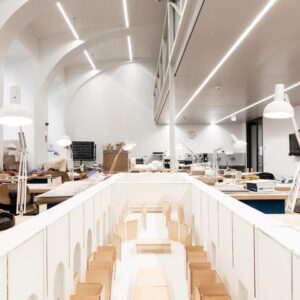
REVIEW ‘20 Institut für Architektur und Entwerfen
Exhibition 2020
Jahresaustellung des Instituts für Architektur und Entwerfen
|
|
Prefab Production: Constructing Cooperation Prof. Tina Gregoric
Katharina Urbanek Design Studio WS 2020/21
Entwerfen Bachelor + Master ● 253.F75 + 253.F74 ● 10 ECTS ● Korrekturen dienstags 09.00–14.00 ● hybrid modus ● 2er Teams ● Deutsch/ English ● Anmeldung mit Portfolio über Tiss
|
|
Prefab Healthcare: The First Room Prof. Tina Gregoric
Evelyn Temmel Josefine Hermann Design Studio WS 2020/21
Entwerfen Bachelor + Master ● 253.F77 + 253.F76 ● 10 ECTS ● Korrekturen dienstags 09.00–14.00 ● hybrid modus ● 2er Teams ● Deutsch/ English ● Anmeldung mit Portfolio über Tiss
|
|
Prefab Education: Alchemy of the Academy Prof. Tina Gregoric
Gordon Selbach Design Studio WS 2020/21
Entwerfen Bachelor + Master ● 253.F72 + 253.F73 ● 10 ECTS ● Korrekturen dienstags 14.00–18.00 ● hybrid modus ● 2er Teams ● Deutsch/ English ● Anmeldung mit Portfolio über Tiss
|

|
Space Anatomy Gesundheit und Soziale Infrastruktur Evelyn Temmel
Kathrin Schelling Design Studio WS 2020/21
Gesundheit und Soziale Infrastruktur [...]
Entwerfen Master ● 253.F64 ● 10 ECTS ● Korrekturen donnerstags 14.00–18.00 ● hybrid modus ● 2er Teams ● Anmeldung über Tiss
|

|
Invisible Contexts: Excercises in the Construction of Site-Specific Narratives Jakob Travnik
Seminar WS 2020/21
Wahlseminar ● 253.E41 ● intro meeting WED 4.11. ● 17.00–19.00 ● weekly meetings November - December ● 17.00 – 21.00 ● hybrid modus ● course will be held in English
|
|
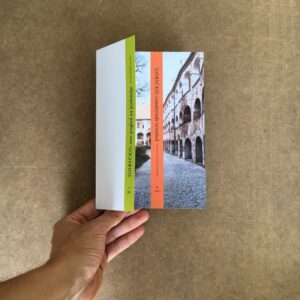
GORIČKO: countryside revisited Prof.Tina Gregoric
Eva Mair Exhibition 2020
coexistence of architecture and landscape [...]
12.9.–04.10.2020 ● Exhibition of Design Studio SS 2020 Brick Academy Goricko ● Exhibition Collaboration with TU Wien, University of Ljubljana and TU Graz ● Opening Saturday 12.09. 2020 15:00 Grad Castle (Goričko, Slovenia)
|

|
Sozialer Brutalismus: Neue Mitte - Rozzol Melara Harald Trapp
Christian Kühn Design Studio 2020
Anmeldung bis 07. Juli ● mit Portfolio (max. 10 MB) ● email an: harald.trapp@tuwien.ac.at & c.kuehn@tuwien.ac.at [...]
Großes Entwerfen ● Sommerentwerfen 2020
10 ECTS ● Online-Vorstellung ● 02.Juli 11.00 Anmeldung bis 07. Juli ● mit Portfolio (max. 10 MB) email an: harald.trapp@tuwien.ac.at & c.kuehn@tuwien.ac.at |
|
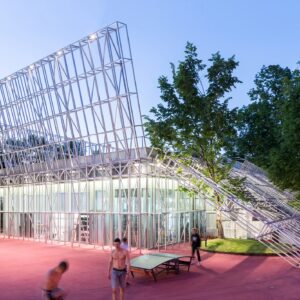
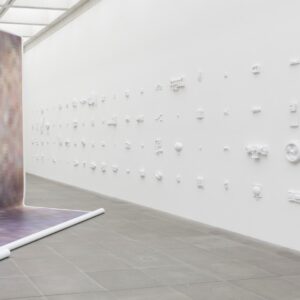
KOSMOS Architects
Lecture – online stream
Di 30.06.2020 19.00 ● www.youtube.com/gbltuwien
Moderation Prof. Tina Gregoric |
|
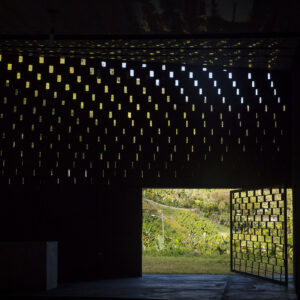
Plenum. Places of Power Christian Kühn
Harald Trapp Thomas Amann Kathrin Schelling Ausstellung
30.5.–20.9.2020 ● Neues Museum Nürnberg ● unter Beteiligung Studierender im Rahmen der VU Spezialgebiete der Gebäudelehre 2013/14 ● https://www.nmn.de/de/programm/ausstellungen/was-wenn/was-wenn.htm ● www.places-of-power.org
|
|
What is packed in a 16kg building block enlace arquitectura
Elisa Silva Lecture – online stream
FR 15.05.2020 15.00 ● www.youtube.com/gbltuwien
Design Studio SS 2020 Brick Academy Goricko ● Moderation Prof. Tina Gregoric, Eva Mair |
|
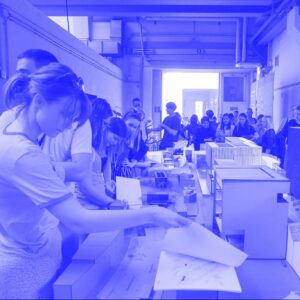
BEST OF - Studio GBL 2019 TeilnehmerInnen des Studio Gebäudelehre 2019
Lecture – online stream
DI 12.05.2020 19.00 ● youtube.com/gbltuwien
Moderation: Prof. Tina Gregoric, Thomas Amann |
|
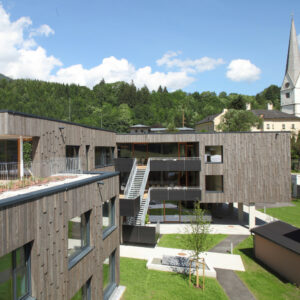
Healthcare Architecture Gerhard Mitterberger
Lecture – online stream
MI 13.05.2020 16.00–18.00 ● Zoom Meeting ID: 985-1101-1229 ● PW: 0YfgH0 ● Design Studio SS 2020 Community Healthcare - Abilities & Disabilities ● Moderation Prof. Tina Gregoric, Evelyn Temmel
|

|
Re-Thinking Tourism Symposium 03 Symposium – online
DO 07.05.2020 ● 15.00 – 20:00 CEST
Speakers: Jakob Travnik, John Thackara, Phineas Harper, Aljosa Dekleva, Oaza, Timothy Morton, Maria Finders, Dean MacCannell, Tina Gregoric Moderation: Prof. Tina Gregoric, Jakob Travnik online stream: youtube.com/gbltuwien/ webpage: rethinkingtourismforaplanetincrisis.com |

|
Die Quidität des Materials mischer'traxler studio
Lecture – online stream
Katharina Mischer, Thomas Traxler ● FR 03.04.2020 13.00 ● Design Studio SS 2020 Brick Academy Goricko ● Moderation Prof. Tina Gregoric, Eva Mair
|
|
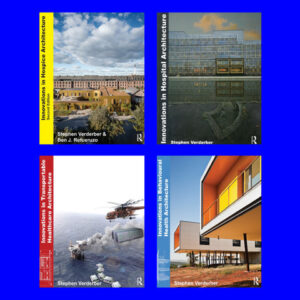
Healthcare Lecture Series Prof. Verderber
Lectures – online stream
31.03. ● Nightingale, Her Legacy, and the Megahospital ● 01.04. ● Innovations in Behavioural Health Architecture ● 02.04. ● Rapid Response Architecture for Health - Conflicts, Pandemics, and Climate ● jeweils 16.00 - 18.00 ● Zoom Meeting-ID: 604-446-408 ● Moderation Prof. Tina Gregoric, Evelyn Temmel
|
|
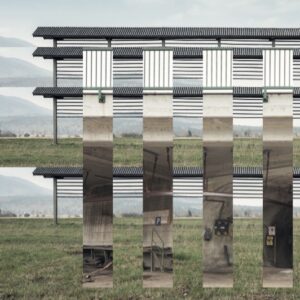
Countryside Reloaded Maja Vardjan
Lecture – online stream
MAO – Museum of Architecture and Design, Ljubljana ● FR 27.03.2020 16.00 ● Design Studio SS 2020 Brick Academy Goricko ● Moderation Prof. Tina Gregoric, Eva Mair
|

|
Community Healthcare: Abilities & Disabilities Prof. Tina Gregoric
Evelyn Temmel Design Studio SS 2020
Großes Entwerfen ● 253.F13 ● 10 ECTS
Entwerfen Bachelor ● 253.F14 ● 10 ECTS Reviews on Tuesdays Seminar Gebäudelehre ● 252.062 ● 2,5 ECTS |

|
Brick Academy Goričko Prof. Tina Gregoric
Eva Mair Design Studio SS 2020
Großes Entwerfen ● 253.F11 ● 10 ECTS
Entwerfen Bachelor ● 253.F12 ● 10 ECTS Reviews on Thursdays Exkursion Slowenien ● 252.593 ● 2 ECTS |
|
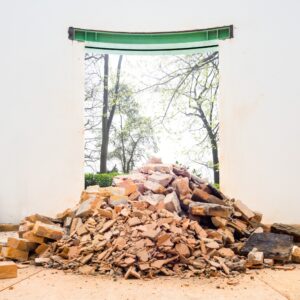
Vienna, Arrival City Fabian Wallmüller
Final Jury
Design Studio WS 2019/20 Fr 31.01.2020 ● 10.00 – 17.00 ● großer Prechtlsaal
Karlsplatz 13 ● TU Wien ● Gastkritik: Kai Vöckler, Alexander Hagner, Walter Asmus, Harald Figl, Irmgard Hubauer, Veronika Kovacsova, Anselm Kranebitter, Michael Reichelt, Katha Schinkinger |
|
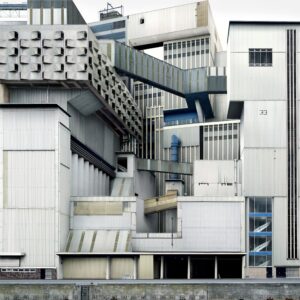
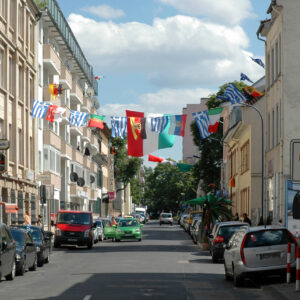
Stadtfabrik: Wien/ Charleroi Thomas Amann
Gordon Selbach Katharina Urbanek Final Jury
Design Studio WS 2019/20 Do 30.01.2020 ● 09.00 – 18:00 ● großer Prechtlsaal
Karlsplatz 13 ● TU Wien ● Gastkritik: Prof. Tina Gregoric, Volker Dienst, Karoline Mayer, Benoit Vandenbulcke |
|
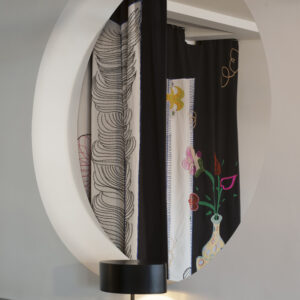
Arrival City Offenbach: Braucht Integration Architektur? Kai Vöckler
Lecture
Do 30.01.2019 ● 19.00 ● HS 18 Czuber
Karlsplatz 13, zw. Stiege 2 und 8, 2. OG ● TU Wien Kai Vöckler, Stadtforscher und Publizist Moderation Fabian Wallmüller |
|
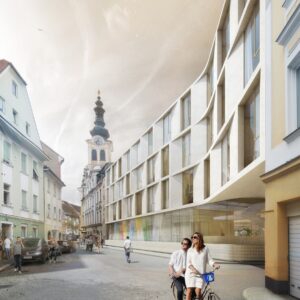
"Out of Necessity." Art and Architecture in the Work of Robbrecht en Daem architecten. Wouter Davidts
Lecture
Do 16.01.2020 ● 19.00 ● HS 18 Czuber
Karlsplatz 13 ● TU Wien ● Moderation Eva Mair |
|
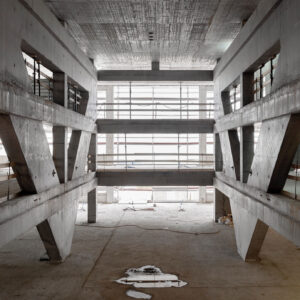
Krankenhaus der Barmherzigen Brüder Dietger Wissounig
Oliver Szmej Gastvortrag
Do 28.11.2019 ● 19.00 ● HS 7 Schütte-Lihotzky
Karlsplatz 13 ● TU Wien Dietger Wissounig, Oliver Szmej Moderation Kathrin Schelling, Evelyn Temmel |
|
Kantonsspital Graubünden Thomas Hasler
Gastvortrag
Di 26.11.2019 ● 19.30 ● HS 7 Schütte-Lihotzky
Karlsplatz 13 ● TU Wien ● Moderation Prof. Tina Gregoric |

|
exclusive ARCHITEKTUR inklusive Alexander Hagner
Gastvortrag
Gastvortrag im Rahmen von „Vienna, Arrival City“, Entwerfen WS 2019/20 [...]
Mi 04.12.2019 ● 19.00 ● HS 18 Czuber
Karlsplatz 13 ● TU Wien Alexander Hagner, gaupenraub+/- Moderation Fabian Wallmüller |
|
Krankenhäuser/ Hospitals Spezialgebiete/
Special Topics Gastvorträge
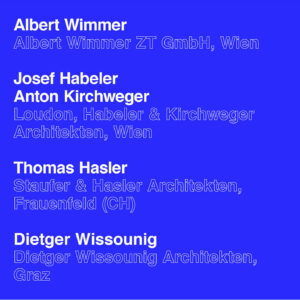
Albert Wimmer ZT GmbH ● Loudon, Habeler & Kirchweger Architekten ● Dietger Wissounig Architekten ● Staufer&Hasler Architekten [...]
MO/DI 19.00 ● HS 7 Schütte-Lihotzky ● Karlsplatz 13 ● TU Wien ● Moderation: Tina Gregoric, Michael Hiesmayr, Christian Kühn, Kathrin Schelling, Evelyn Temmel
|
|
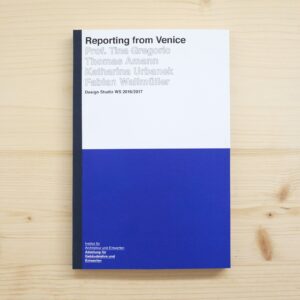
Reporting from Venice Prof. Tina Gregoric
Thomas Amann Katharina Urbanek Fabian Wallmüller Publikation
2019 ● Design Studio WS 16/17 ● Sonderzahl Verlag
|
|
Reporting from Venice Prof. Tina Gregoric Thomas Amann Katharina Urbanek Fabian Wallmüller
Buchpräsentation
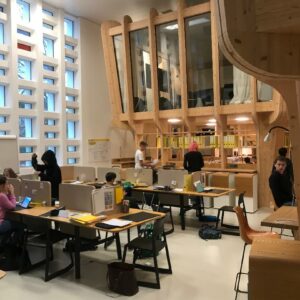
Mi 16.10.2019 ● 19.00 ● Bibliothek der Abteilung Gebäudelehre und Entwerfen ● Karlsplatz 13
TU Wien |
|
YBBS – Schule(n) im Zentrum Christian Kühn
Katharina Tielsch Claudia M. Walther Großes Entwerfen WS19/20
Großes Entwerfen ● 253.E17 ● WS 2019 ● 10 ECTS ● Betreuungstermine dienstags ● 9:30
|

|
Stadtfabrik: Wien/Charleroi Thomas Amann
Gordon Selbach Katharina Urbanek Großes Entwerfen WS 19/20
Großes Entwerfen ● 253.E22 ● Entwerfen Bachelor 253.E23 ● 10 ECTS ● Exkursion Belgien
|
|
Vienna, Arrival City Fabian Wallmüller
Großes Entwerfen WS19/20
Großes Entwerfen ● 253.E15 ● 10 ECTS ● 252.593 Exkursion nach Frankfurt a.M. und Offenbach
|

|
Re-Thinking Tourism for a Planet in Crisis Jakob Travnik
Wahlseminar WS19/20
Wahlseminar ● 4 ECTS ● 253.E41 ● intro meeting Thursday, 03.10.2019 ● 17:00 - 21:00 ● Projektraum 13 ● weekly meetings: Thursdays ● 17:00 - 21:00 ● course will be held in English
|
|
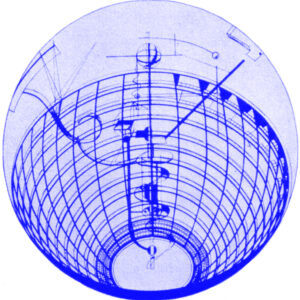
Open Design Academy II Prof. Tina Gregoric
Gordon Selbach Final Presentations
Design Studio SS 2019
the potentials of creative educational environments in Paris [...]
MI 26.06.2019 ● 11:00 – 17:00 ● Gebäudelehre Institut ● Gastkritik: Prof. Wilfried Kühn, Prof. Michael Obrist
|
|
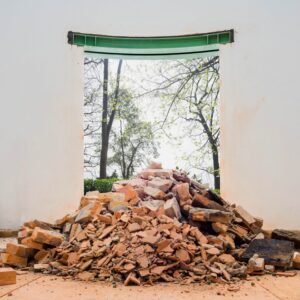
Studio Gebäudelehre Performative Räume Team Gebäudelehre
Studio GBL SS 2019
Ausstellung MI 19.06.2019 ● 17:30 ● Ausstellungseröffnung ● Prämierung der besten Projekte
|
|
Making Heimat. Der kurze Herbst der Anarchie 2015 – und was davon übrig blieb Oliver Elser
Vortrag
Mo 01.07.2019 ● 19.00 ● HS 7 Schütte-Lihotzky
Karlsplatz 13 ● TU Wien ● Moderation: Fabian Wallmüller |

|
"I shop therefore I am" KaDeWe Wien Harald Trapp
Christian Kühn für weitere Informationen
bitte links auf das Bild klicken
Anmeldung bis 21. Juni ● mit Portfolio (max. 10 MB) ● email an: c.kuehn@tuwien.ac.at [...]
Großes Entwerfen ● Sommerentwerfen ● 10 ECTS
Sommer 2019 ● erstes Treffen Di 25.06.19 ● 09.00 Anmeldung bis 21. Juni ● mit Portfolio (max. 10 MB) ● email an: c.kuehn@tuwien.ac.at |
|
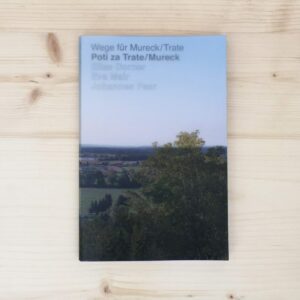
Wege für Mureck/Trate Poti za Trate/Mureck Elias Dorner
Eva Mair Johannes Paar Publikation
2019 ● Design Studio 2016 – 2017 ● Wissenschaftliche Schriftenreihe des Pavelhauses, Band 18
|
|
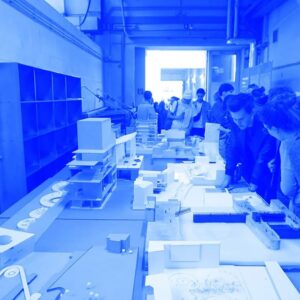
Best of Studio Gebäudelehre 2018 Preisträger*innen des Studio Gebäudelehre 2018
Vortrag
Mi 10.04.2019 ● 20.00
HS 7 Schütte-Lihotzky ● Karlsplatz 13 ● TU Wien Moderation: Tina Gregoric, Thomas Amann |

|
Town as Dispersed Hotel – Bale in Istria Prof. Tina Gregoric
Johannes Paar Publikation
2019 ● Design Studio WS 2015/2016 ● Sonderzahl Verlag
|
|
Studio Gebäudelehre Performative Räume Team Gebäudelehre
Studio SS 2019
Entwurfs-Workshop ● 3 Tage ● 27.04.2019 - 05.05.2019
Schlusspräsentationen ● 12.06.2019 - 14.06.2019 Ausstellung ● 17.06.2019 - 19.06.2019 Studio ● 253.A89 ● 6 ECTS |
|
Open Design Academy II Prof. Tina Gregoric
Gordon Selbach Entwerfen
the potentials of creative educational environments in Paris [...]
Großes/Bachelor Entwerfen ● 253.D42 / 253.D41
10 ECTS SS19 ● weekly meetings Wednesdays SR2 group work ● course will be held in german / english |

|
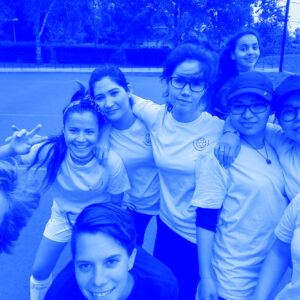
Pop-Up Store Favoriten 2 Wolfgang Kölbl
Andreea Cebuc Entwerfen
Großes Entwerfen/Bachelor ● 253.D46 ● 10 ECTS SS19 ● Einführung Freitag 08.03.2019 ● SR 2 10:00
Korrekturen jeweils freitags |
|
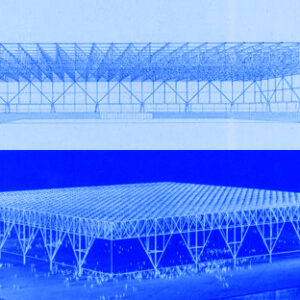
Vienna, Arrival City Fabian Wallmüller
Entwerfen
Großes Entwerfen ● 253.D36 ● 10 ECTS ● SS19
Einführung Dienstag 12.03.2019 ● Projektraum 2 09:00 - 11:00 ● Feedback jeweils dienstags Projektraum 2 ● 09:00 - 13:00 |
|
MEGA! Eventarena für 20.000 Personen Martin Haller
Peter Bauer Kathrin Schelling Christian Kühn Entwerfen
Großes Entwerfen ● 253.D28 ● 10 ECTS SS19
Einführung Montag 04.03.2019 ● Projektraum 2 10.00 - 12.00 ● Betreuungstermine freitags ab 13:00 |
|
Großes Entwerfen ohne Funktionen Manfred Wolff-Plottegg
Entwerfen
Großes Entwerfen ● 253.C54 ● 10 ECTS SS19
Korrekturen jeweils donnerstags Panigl EG ● 10:00 |
|
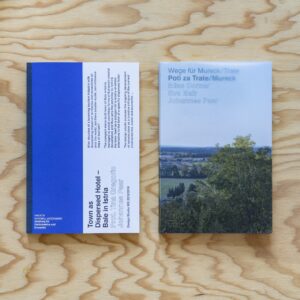
Town as Dispersed Hotel – Bale in Istria Wege für Mureck/Trate Tina Gregoric
Elias Dorner, Eva Mair, Johannes Paar Buchvorstellung
Town as Dispersed Hotel – Bale in Istria Design Studio 2015/2016
Wege für Mureck/Trate Poti za Trate/Mureck [...] Di 19.03.19 ● 19.00
Bibliothek Gebäudelehre ● Karlsplatz 13 ● TU Wien |
|
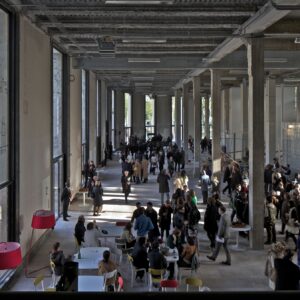
Freespace, space for thought Lacaton & Vassal
Vortrag
Jean Philippe Vassal
Mo 28.01.2019 ● 19.00 HS 7 Schütte-Lihotzky ● Karlsplatz 13 ● TU Wien Moderation: Tina Gregoric |
|
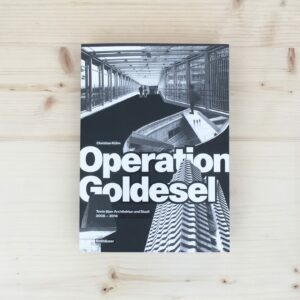
Operation Goldesel Christian Kühn
Buch
Texte über Architektur und Stadt 2008 –– 2018 [...]
2019 ● Birkhäuser
|

|
Architekturwettbewerbe International Conditions
Gastvorträge 2019
Clement Blanchet ● Clement Blanchet Architecture, Paris
Elli Mosayebi ● Edelaar Mosayebi Inderbitzin Architekten, Zürich Benoît Vandenbulcke ● AgwA, Brüssel Architekturwettbewerbe Gastvorträge Mi 09.01.2019 19.30 ● TU Wien ● Karlsplatz 13 HS 18 ● Moderation: Tina Gregoric |

|
Was kann ein Architekturmuseum? Angelika Fitz
Vortrag
Angelika Fitz
Di 04.12.2018 ● 18.30 ● HS EI 1 Petritsch Gußhausstraße 25 ● TU Wien Moderation: Eva Mair |
|
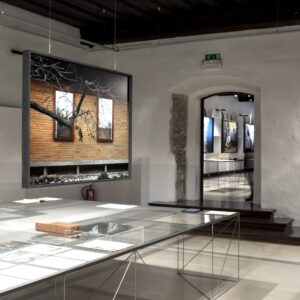
Researching and Curating Architecture - Exhibition: Stanko Kristl Architect: Humanity and Space Prof. Tina Gregoric
Vortrag
Prof. Tina Gregoric ● Di 13.11.2018 ● 19.30
Gusshausstraße 25 ● HS EI 1 Petritsch ● TU Wien |
|
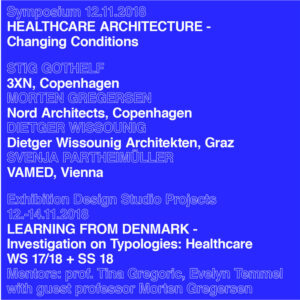
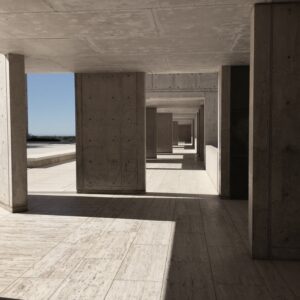
HEALTHCARE ARCHITECTURE Prof. Tina Gregoric
Evelyn Temmel Symposium + Ausstellung
Symposium Healthcare Architecture
12.11.2018 ● ab 14.30 Ausstellung Learning from Denmark 12.11. - 14.11.2018 Karlsplatz 13 ● Prechtlsaal ● TU Wien |
|
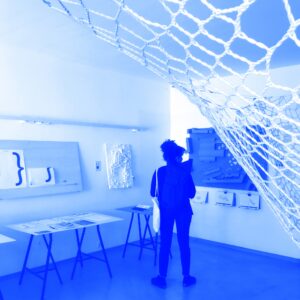
Louis I. Kahn: The Eternal and the Circumstantial Prof. Robert McCarter
Vortrag
Prof. Robert McCarter ● Di 23.10.2018 ● 19.00
HS 7 Schütte Lihotzky ● TU Wien Moderation: Tina Gregoric |
|
Nanotourism at Vienna Design Week Prof. Tina Gregoric
Johannes Paar Jakob Travnik Exhibition
Fr. 28.09. – 7.10. ● 11:00 – 20:00
Festivalzentrale, Apollogasse 19, 2. OG ● 1070 Wien Exhibition curator: Univ. Ass. Jakob Travnik Exhibition co-curators: Andreas Maximilian Arndt, Amanda Sperger |
|
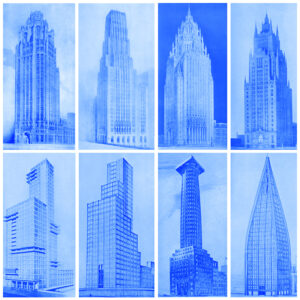
Open Design Academy Prof. Tina Gregoric
Gordon Selbach Entwerfen
Bachelor/Master Entwerfen ● 253.C73 ● 10 ECTS
WS18/19 ● Einführung DO 04.10.2018 ● SR2 10:00 – 14:00 ● Korrekturen jeweils donnerstags SR2 ● 10:00 – 14:00 ● Gruppenarbeit ● Entwerfen wird auf Deutsch und Englisch abgehalten + Exkursion nach Paris und Nantes Bauplatzbesichtigung und Recherche 2.0 ECTS ● 252.593 ● 15. – 21.10.2018 ● Flüge & Unterkunft individuell zu organisieren |
|
The Competition Thomas Amann
hosted-by: ASAP, feld72, Schenker Salvi Weber Master Entwerfen ● 253.C76 ● 10 ECTS
WS18/19 ● Einführung DI 09.10.2018 ● SR1 10:00 – 12:00 ● weitere Termine nach Absprache |

|
Leisure and Architectures of Performance Clement Blanchet
Jakob Travnik Master Entwerfen ● 253.C74 ● 10 ECTS ● WS18/19
Einführung DO 04.10.2018 ● Panigl EG ● 13:00 – 15:00 ● Entwerfen wird auf Englisch abgehalten + Exkursion nach Paris Bauplatzbesichtigung und Recherche 2.0 ECTS ● 252.593 ● 15. – 21.10.2018 |
|
Pop-Up Store Favoriten Wolfgang Kölbl
Elisabeth Wieser Andreea Cebuc Bachelor/Master Entwerfen ● 253.C71 ● 10 ECTS
WS18/19 ● Einführung FR 12.10.2018 ● ZS2 11:00 – 13:00 ● Korrekturen jeweils freitags ZS2 ● 11:00 – 15:00 |

|
Vienna, Arrival City Fabian Wallmüller
Master Entwerfen ● 253.C77 ● 10 ECTS ● WS18/19
Einführung MO 08.10.2018 ● ZS2 ● 13:00 – 15:00 Korrekturen jeweils montags ● ZS2 ● 13:00 – 17:00 |

|
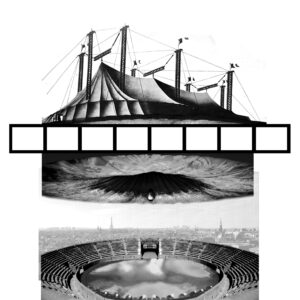
Digitale Funktionen Manfred
Wolff-Plottegg Richard Schaffranek Master Entwerfen ● 253.C54 ● 10 ECTS
WS18/19 ● Korrekturen jeweils donnerstags Panigl EG ● 9:00 – 13:00 |
|
The Risk of Being Beautiful Clement Blanchet
Vortrag & Diskussion
Achtung - Änderung des Termins und Hörsaals
Clement Blanchet Architecture, Paris Do 28.06.2018 ● 17.00 ● HS 18 Czuber ● TU Wien Moderation: Tina Gregoric |

|
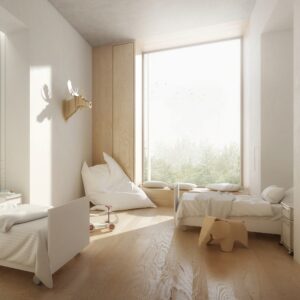
Performative Räume Eröffnung & Preisverleihung
Studio Gebäudelehre SS 2018
Prämierung der besten Projekte
Eröffnung & Preisverleihung ● Do 28.06.2018 18.15 ● TVFA Halle ● Ausstellung Do 28.06. & Fr 29.06.2018 ● TVFA Halle |
|
Realität und Vision – Lebenswelt Krankenhaus Hans Nickl
Gastvortrag 2018
Prof. Hans Nickl, Nickl & Partner Architekten, München ● Fr. 15.06.2018 ● 18.30 ● TU Wien
Karlsplatz 13 ● Hörsaal 13 ● Intro: Evelyn Temmel |
|
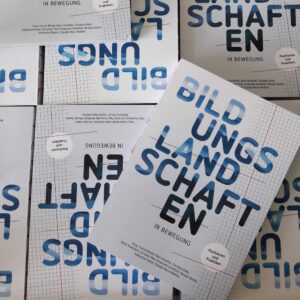
1. Stadtsalon Bildung Corina Binder
Christian Kühn Vorträge, Diskussionen, Buchpräsentation
Do 14.06.2018 ● 14.00 - 19.00 ● TU Wien
Gußhausstraße 27-29 ● Stiege I ● 6. Stock Kontaktraum - Neues EI ● 1040 Wien |
|
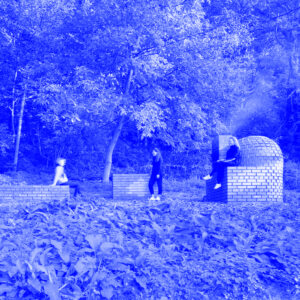
Buchpräsentation - Filmscreening Wege für Mureck/Trate
Die innere Grenze Gartenfest
Am österreichisch-slowenischen Grenzübergang Mureck/Trate
Fr 29.06.2018 ● ab 17.00 Gartenfest ● ab 18.00 Buchpräsentation, Diskussion, Filmscreening SI-Trate 2, 2213 Zgorjna Velka, Slowenien |
|
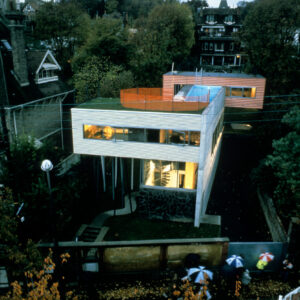
Villa Dall’Ava by Rem Koolhaas (OMA): The View From the Client Dominique Boudet
Lecture & Discussion
Dominique Boudet, AMC architecture, Paris
Thu 07.06.2018 ● 18.00 ● TU Wien ● Karlsplatz 13 Hörsaal 18 ● Moderation: Tina Gregoric |
|
Studio Gebäudelehre Performative Räume Team Gebäudelehre
Studio SS 2018
Entwurfs-Workshop ● 3 Tage ● im Zeitraum von 14.04.2018- 22.04.2018
Schlusspräsentation / Ausstellung ● im Zeitraum von 25.06.2018-29.06.2018 Studio ● 253.A89 ● 6ECTS ● Einführung 01.03.2018 Informatikhörsaal ● 09.00-13.00 ● weitere Termine gruppenabhängig |
|
Learning from Denmark: Nanotourism & The Future of Eating – Exhibition Design Jakob Travnik
Alessandro Porcelli Entwerfen + Exkursion SS2018
Großes Entwerfen ● 253.109 ● 10 ECTS ● Intro meeting 08.02.2018 ● SR 02 ● 14.00-16.00 ● weekly meetings ● Thursdays ● 13.00-17.00 ● group work
|
|
Learning from Denmark: Investigation on Typologies – Healthcare II Prof. Tina Gregoric
Evelyn Temmel Entwerfen + Exkursion SS2018
+++Exkursion ● 252.593 ● Recherche Exkursion nach Kopenhagen ● 10.-12.05.2018 ● Flüge und Unterkunft individuell zu organisieren ● Besichtigungen in Wien [...]
Großes Entwerfen ● 253.C00 ● 10 ECTS
Einführung 08.02.2018 ● SR 01 ● 09.00-13.00 Korrekturen donnerstags ● Gruppenarbeit zu zweit |

|
Light Urbanism 2.0 – Excursions on Instability Gastprof. Hrvoje Njiric
Johannes Pointl Entwerfen SS2018
Großes Entwerfen ● 253.C12 ● 10 ECTS
Einführung 06.03.2018 ● 13.00 ● SR 02 Korrekturen dienstags ● 13.00-17.00 Gruppenarbeit zu zweit |

|
Flagship Store Wolfgang Kölbl
Elisabeth Wieser Andreea Cebuc Entwerfen SS2018
Großes Entwerfen ● 253.C02 ● 10 ECTS
Einführung 09.03.2018 ● SR02 ● 10.00-17.00 weitere Termine jeweils freitags |
|
Learning from Denmark: Investigation on Typologies – Healthcare II Prof. Tina Gregoric
Evelyn Temmel Entwerfen + Exkursion SS2018
Entwerfen Bachelor ● 253.B99 ● 10 ECTS
Einführung 08.02.2018 ● SR 01 ● 09.00-13.00 Korrekturen donnerstags ● Gruppenarbeit zu zweit |
|
Innovation Campus Neues Landgut Thomas Weber
Entwerfen SS2018
Entwerfen Bachelor ● weitere Informationen folgen
|
|
Flagship Store Wolfgang Kölbl
Elisabeth Wieser Andreea Cebuc Entwerfen SS2018
Entwerfen Bachelor ● 253.C03 ● 10 ECTS
Einführung 09.03.2018 ● SR02 ● 10.00-17.00 weitere Termine jeweils freitags |
|
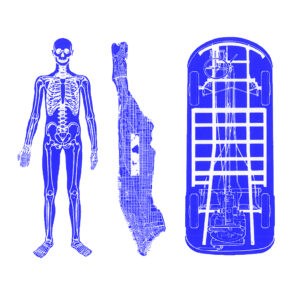
Learning from Denmark Nanotourism &
The Future of Eating Final Presentations WS 17/18
Jury
Guest Prof. Morten Gregersen (NORD architects) Prof. Tina Gregoric Jette Cathrin Hopp (Snøhetta) Univ.Ass. Jakob Travnik Thu 25.01.2018 ● 14.00 ● TVFA Halle Erzherzog-Johann-Platz 1 |
|
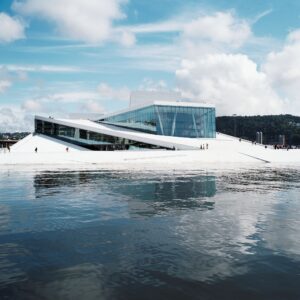
Learning from Denmark Investigation on Typologies - Health Care
Final Presentations WS 17/18
Jury
Guest Prof. Morten Gregersen (NORD architects) Prof. Tina Gregoric Erich Ranegger (Atelier Thomas Pucher) Univ.Ass. Evelyn Temmel Thu 25.01.2018 ● 09.00 ● TVFA Halle Erzherzog-Johann-Platz 1 |
|
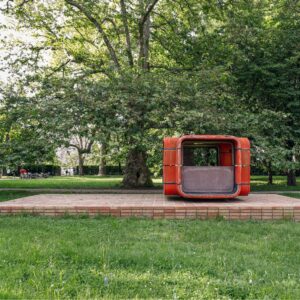
People, Process, Projects: The Value of Architecture in Creating Community Jette Cathrin Hopp
Lecture & Discussion
Jette Cathrin Hopp, Snøhetta, Oslo
Thu 25.01.2018 ● 19.00 ● TU Wien ● Karlsplatz 13 Hörsaal 18 ● Intro: Tina Gregoric |
|
ALWAYS ALIVE, BUT NEVER THE SAME Maja Vardjan
Lecture & Discussion
Metamorphoses of the Kiosk K67 System through diverse exhibition formats
Maja Vardjan ● Curator Museum of Architecture and Design, Ljubljana Mi 17.01.2018 ● 19.00 ● TU Wien Gußhausstraße 25 ● HS EI 1 Petritsch Moderation: Eva Mair |

|
Architekturwettbewerbe International Conditions
Gastvorträge 2018
Thomas Birkkjær ● Arkitema Architekten, Kopenhagen
Daniel Bosshard, Meritxell Vaquer ● Bosshard Vaquer Architekten, Zürich Vasa Perovic ● Bevk Perovic Architekten, Ljubljana Architekturwettbewerbe Gastvorträge Di 16.01.2018 ● 20.00 ● TU Wien ● Karlsplatz 13 HS 8 ● Moderation: Tina Gregoric |

|
Architekturwettbewerbe Austrian Conditions
Gastvorträge 2018
Hans Gangoly ● Gangoly & Kristiner Architekten
Martin Emmerer ● Hope of Glory Architektur Roger Riewe ● Riegler Riewe Architekten Architekturwettbewerbe Gastvorträge Do 11.01.2018 ● 19.00 ● TU Wien ● Karlsplatz 13 HS 8 ● Moderation: Thomas Amann |
|
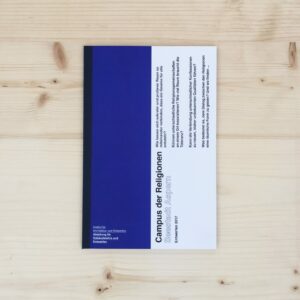
Campus der Religionen Seestadt Aspern Christian Kühn
Publikation
2017 ● Entwerfen 2017 ● Sonderzahl Verlag
|
|
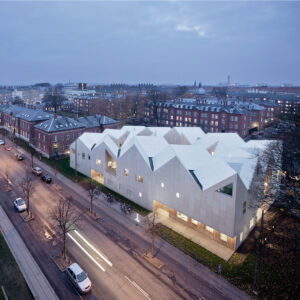
NORD TYPOLOGIES Morten Gregersen, NORD Architects
Lecture & Discussion
Morten Gregersen - NORD architects, Copenhagen
Wed 06.12.2017 ● 19.00 ● TU Wien ● Karlsplatz 13 Hörsaal 13 ● Moderation: Tina Gregoric |
|
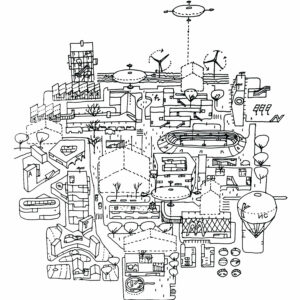
Konzepte Hrvoje Njiric
Gastvortrag 2017
Hrvoje Njiric, njiric+ arhitekti, Zagreb ● Mi 11.10.2017 19.00 ● TU Wien ● Karlsplatz 13 ● Hörsaal 17
Intro: Tina Gregoric, Christoph Luchsinger |

|
Learning from Denmark Excursion Prof. Tina Gregoric
J. Travnik E. Temmel Exkursion zum Entwerfen WS 2017/18
Aarhus & Copenhagen
Flights & accommodation to be organised individually [...] Excursion ● Bachelor & Master Entwerfen ● 252.593 ● 2.5 ECTS ● 13.10. – 18.10.2017 ● Introduction 05.10.2017 ● ZS Panigltrakt EG 09.00 - 13.00
|
|
Learning from Denmark Nanotourism & The Future of Eating Jakob Travnik
Prof. Tina Gregoric Entwerfen WS 2017/18
Weekly deck-critics ● Thursdays [...]
Design Studio ● Bachelor & Master Entwerfen ● 253.B50 ● 10 ECTS 05.10.2017 ● 09.00 - 13.00 ● ZS EG Panigltrakt
|
|
Learning from Denmark Investigating Typologies Health Care Morten Gregersen
Evelyn Temmel Prof. Tina Gregoric Entwerfen WS 2017/18
Weekly deck-critics ● Thursdays [...]
Design Studio ● Bachelor & Master Entwerfen ● 253.B50 ● 10 ECTS 05.10.2017 ● 09.00 - 13.00 ● ZS EG Panigltrakt
|
|
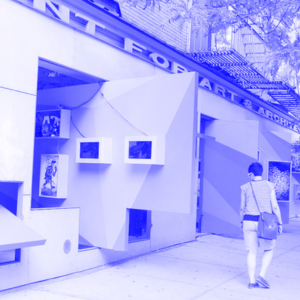
Bezirkszentrum Floridsdorf Wolfgang Kölbl
Lisi Wieser Entwerfen WS 2017/18
Nach dem tendenziellen Rückzug des Handels aus dem Zentralbereich von Floridsdorf stellt sich die Frage, worin heute die Aufgabe des Bezirkszentrums liegen könnte. [...]
Bachelor & Master Entwerfen ● 10 ECTS
|

|
Schulcluster – Clusterschule Christian Kühn
Martin Haller Entwerfen WS 2017
Lorem ipsum dolor sit amet, consetetur sadipscing elitr, sed diam nonumy eirmod tempor invidunt ut labore et dolore magna aliquyam erat [...]
Bachelor & Master Entwerfen ● 10 ECTS
|

|
Spezialgebiete der Gebäudelehre Christian Kühn
Modul Gebäudelehre und Planungsmethoden
Lorem ipsum dolor sit amet, consetetur sadipscing elitr, sed diam nonumy eirmod tempor invidunt ut labore et dolore magna aliquyam erat, sed diam voluptua. [...]
VO Vorlesung ● 253.337 ● 2.5 ECTS ● erster Termin 10.10.2017 ● SR 01 09.00 - 11.00
|

|
Planungsmethoden Prof. Tina Gregoric
Evelyn Temmel Modul Gebäudelehre und Planungsmethoden
UE Übung ● 253.983 ● 2.5 ECTS ● erster Termin 07.11.2017 ● SR01 09.00 - 13.00
|
|
Kritische Architekturpraxis Johannes Pointl
Modul Gebäudelehre und Planungsmethoden
VO Vorlesung ● 253.716 ● 2.0 ECTS ● erster Termin 04.11.2017 ● HS 14A 15.00 - 17.00
|
|
Gebäudelehre und kulturelles Handeln Eva Mair
Modul Gebäudelehre und Planungsmethoden
Die Vorlesung Gebäudelehre und kulturelles Handeln arbeitet durch ihren thematischen Fokus die Wechselwirkung zwischen Architekturartefakt, Architekturwerkzeug und Zeitgeist gezielt... [...]
VO Vorlesung ● 253.868 ● 1.0 ECTS ● erster Termin 08.11.2017 ● EI 1 13.00 - 15.00
|

|
Big Buildings Wolfgang Kölbl
Modul Gebäudelehre und Planungsmethoden
Lorem ipsum dolor sit amet, consetetur sadipscing elitr, sed diam nonumy eirmod tempor invidunt ut labore et dolore magna aliquyam erat, sed diam voluptua. [...]
VO Vorlesung ● 253.984 ● 2.0 ECTS ● erster Termin 18.10.2017 ● SR 02 11.00 - 13.00
|
|
Architekturwettbewerbe Tina Gregoric
Thomas Amann Walter Chramosta Günther Stefan Modul Gebäudelehre und Planungsmethoden
SE Seminar ● 252.028 ● 2.5 ECTS ● erster Termin 06.11.2017 ● EI 4 15.00 - 18.00
|

|
Allgemeine Gebäudelehre und Planungsmethodik Christian Kühn
Wolfgang Kölbl Modul Gebäudelehre und Planungsmethoden
Lorem ipsum dolor sit amet, consetetur sadipscing elitr, sed diam nonumy eirmod tempor invidunt [...]
VO Vorlesung ● 252.029 ● 2.5 ECTS ● erster Termin 04.10.2017 ● HS 14A 09.00 - 11.00
|
|
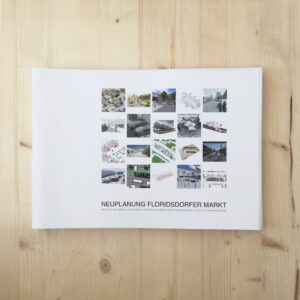
Neuplanung Floridsdorfer Markt Wolfgang Kölbl
Elisabeth Wieser Publikation
2017 ● Abteilung Gebäudelehre und Entwerfen
|
|
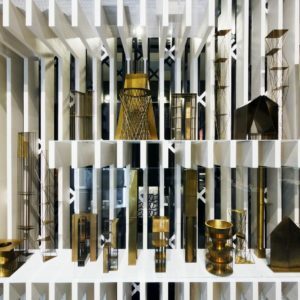
Performative Räume Prof. Tina Gregoric
Studio Gebäudelehre SS 2017
AssistentInnen: Thomas Amann, Corina Binder, Eva Mair, Johannes Paar Johannes Pointl, Fabian Wallmüller
|
|
sempering – a pattern language for new dwelling environments Cino Zucchi
Gastvortrag 2017
Cino Zucchi, Cino Zucchi Architetti Do 16.03.2017 ● 19.00 ● TU Wien Karlsplatz 13 ● Kuppelsaal
Moderation Tina Gregoric |
|
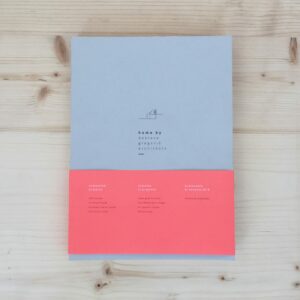
home by dekleva gregoric architects Aljoša Dekleva
Tina Gregoric Buch
www.dekleva-gregoric.com [...]
2016 ● MAO museum of architecture and design, Ljubljana
|
|
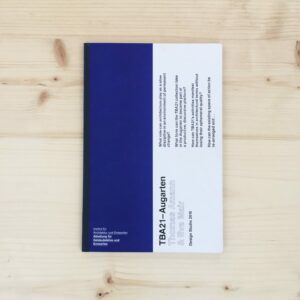
TBA21 Thomas Amann
Eva Mair Publikation
What role can architecture play as a slow discipline in an environment of permanent change?
What form can the TBA21 collection take in the Augarten to become part of a productive [...] 2016 ● Entwerfen SS 2016 ● Sonderzahl Verlagsgesellschaft m. b. H., Wien
|
|
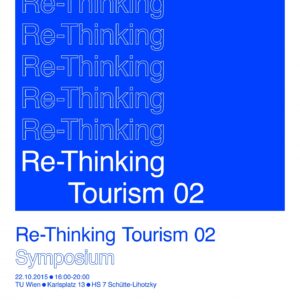
Re-Thinking Tourism 02 Elke Krasny ● Esutdio SIC ● Theo Deutinger ● Susanne Waiz ● Norbert Kettner ● Dietmar Steiner
Symposium
Mi 16.10.2014 ● 15.00 – 19.00 ● HS 18 Czuber
Karlsplatz 13 ● TU Wien ● Moderation: Tina Gregoric, Elke Krasny |
|
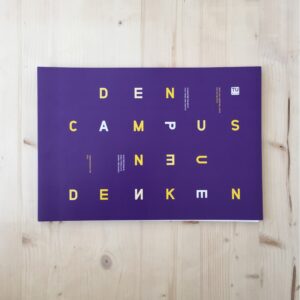
Den Campus neu denken Christian Kühn
Publikation
Soziale Infrastruktur am Beispiel der Seestadt Aspern [...]
2015 ● Sonderzahl Verlagsgesellschaft m. b. H., Wien
|
|
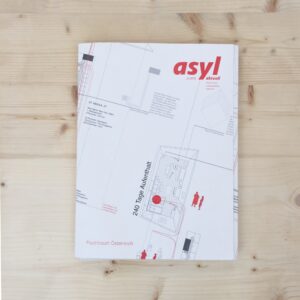
Fluchtraum Österreich Nina Kolowratnik
Johannes Pointl Publikation
13 raumanalytische Kartographien und argumentative Essays wurden in der Gastedition der Zeitschrift „asyl aktuell“ der asylkoordination österreich publiziert [...]
Ausgabe Sommer 2015 ● asylkoordination österreich
|
|
Re-Thinking Tourism 01 dekleva gregoric arhitekti ● tatanka ● feld72 ● Lilli Hollein ● Lupo&Burtscher ● Michael Mair
Symposium
Mi 16.10.2014 ● 15.00 – 19.00 ● HS 18 Czuber
Karlsplatz 13 ● TU Wien |